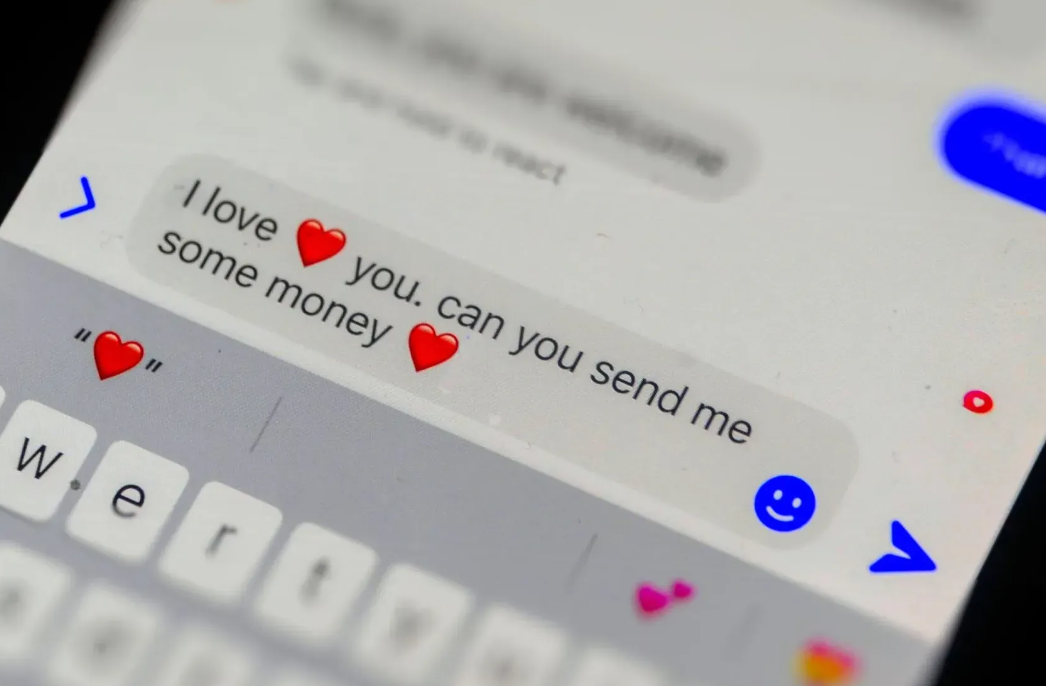




Financial institution impersonation fraud is one of the fastest-growing scams affecting consumers today. As fraudsters become more sophisticated, they are increasingly posing as trusted banks, credit unions, and financial service providers to trick individuals into revealing sensitive information or sending money. Because these scams rely on trust and urgency, even savvy consumers can fall victim.
Understanding how these scams work, and how to spot them, can make all the difference in protecting your finances.
What Is Financial Institution Impersonation Fraud?
Financial institution impersonation fraud occurs when a scammer pretends to be a representative from a legitimate bank, credit union, or financial company. They may contact you by phone, text message, email, or even through fake websites and mobile apps.
Their goal is simple, gain access to your personal or financial information, or convince you to move money under false pretenses.
These scams often appear highly credible. Fraudsters may spoof caller IDs to display your bank’s name, use official-looking logos, or reference real transactions to make their story believable.
Legitimate financial institutions will never ask for sensitive information through unsolicited calls, texts, or emails.
Common Tactics Scammers Use
Fraudsters rely on urgency, fear, and trust to manipulate their targets. Here are some of the most common tactics:
- “Fraud Alert” Calls or Texts
You receive a message claiming there’s suspicious activity on your account. The message urges you to act immediately by clicking a link or calling a number. - Spoofed Phone Numbers
Scammers can make it appear as though they are calling from your financial institution’s official phone number. - Fake Websites and Login Pages
You may be directed to a website that looks identical to your bank’s login page, where your credentials are captured. - Requests for One-Time Passcodes
A scammer may ask you to provide a verification code sent to your phone, claiming they need it to “secure your account.” - Pressure to Move Money
In some cases, victims are told to transfer funds to a “safe account” to avoid fraud, when in reality, the money is going directly to the scammer.
Red Flags to Watch For
While these scams can be convincing, there are warning signs that can help you identify them:
- Unexpected contact about “urgent” account issues
- Requests for personal information like passwords, PINs, or full Social Security numbers
- Instructions to click unfamiliar links or download attachments
- Pressure to act immediately or risk account suspension
- Requests to move money or send funds via wire, gift cards, or payment apps
- Messages with spelling errors or unusual formatting
How to Protect Yourself
Taking a few proactive steps can significantly reduce your risk of falling victim to impersonation fraud:
Verify Before You Act
If you receive a suspicious message, do not respond or click any links. Instead, contact your financial institution directly using the phone number listed on their official website or your account statement.
Never Share Sensitive Information
Your bank or credit union will not ask for your password, PIN, or one-time passcodes. Treat any request for this information as a red flag.
Enable Account Alerts
Set up real-time alerts for transactions and account changes. This helps you quickly identify unauthorized activity.
Use Strong, Unique Passwords
Avoid reusing passwords across accounts and consider using a password manager.
Monitor Your Accounts Regularly
Review your account activity frequently to catch suspicious transactions early.
Be Cautious with Links
Avoid clicking on links in unsolicited messages. Instead, type the institution’s website directly into your browser.
What to Do If You’re Targeted or Victimized
If you suspect you’ve been targeted, or worse, have fallen victim, take action immediately:
- Contact Your Financial Institution
Report the incident right away. They can help secure your accounts and prevent further unauthorized activity. - Change Your Login Credentials
Update your passwords and PINs for all financial accounts. - Monitor and Freeze Your Credit (if needed)
If sensitive information was shared, consider placing a fraud alert or credit freeze with major credit bureaus. - Report the Fraud
File a report with the Federal Trade Commission (FTC) at IdentityTheft.gov and notify your local authorities if necessary. - Document Everything
Keep records of communications, transactions, and reports related to the incident.
Staying One Step Ahead
Financial institution impersonation fraud continues to evolve, but awareness remains one of your strongest defenses. Scammers depend on quick reactions and emotional response, taking a moment to pause and verify can stop fraud in its tracks.
Your financial institution is your partner in protecting your accounts, but the first line of defense starts with you. By staying informed, recognizing red flags, and taking proactive security measures, you can safeguard your personal information and your financial future.
If something doesn’t feel right, trust your instincts, and always verify before you act.
Remember, legitimate financial institutions will never ask for sensitive information through unsolicited calls, texts, or emails.