



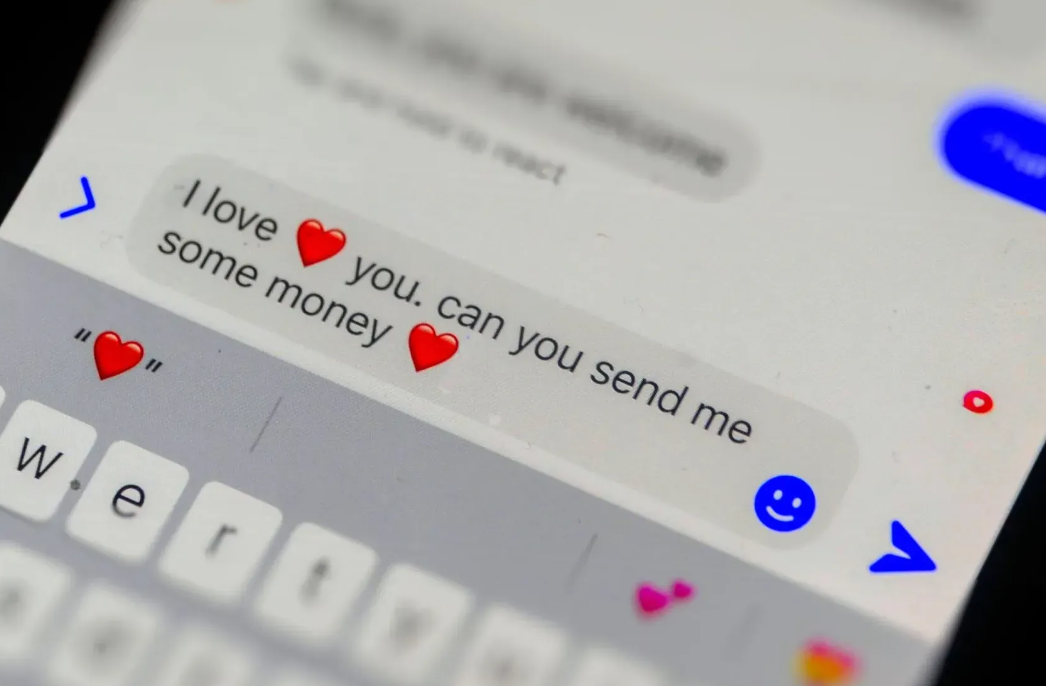
Online dating and social media have made it easier than ever to meet new people. Many real relationships begin with a simple message or friend request. Unfortunately, scammers have learned to exploit that same digital connection. Online romance scams are now one of the fastest-growing types of fraud, costing victims millions of dollars every year, along with emotional heartbreak and embarrassment.
A romance scam happens when someone creates a fake online identity to gain your trust and affection, then uses that trust to steal money or personal information. Scammers often pose attractive professionals, military personnel, or business owners working overseas. They build emotional connections quickly, communicate daily, and make big promises about the future. Once trust is established, a “crisis” appears and a request for money soon follows.
The most important rule to remember: Anyone you’ve never met in person who asks for money is a scammer.
How to Spot a Romance Scam
Profile Red Flags
- Photos look too perfect or professional
- Recently created accounts with little history
- Claims of high-status jobs or overseas work
- Limited friends or interactions
Communication Red Flags
- Quickly says “I love you” or pushes intense emotion
- Avoids video calls or meeting in person
- Moves conversation off the dating app quickly
- Asks many personal questions but gives few real answers
Story Red Flags
- Dramatic life stories or sudden emergencies
- Constant promises to visit “soon”
- Requests secrecy about the relationship
Financial Red Flags
- Asks for money, gift cards, crypto, or wire transfers
- Claims the money is a loan or investment
- Requests banking or identity documents
- If money enters the conversation — stop immediately.
How to Protect Yourself
- Never send money to someone you haven’t met in person
- Don’t share banking or ID information
- Be cautious if someone avoids video chats
- Reverse-image search profile photos
- Keep conversations on the original platform
- Talk to trusted friends or family about new online relationships
- Trust your instincts, if it feels off, it is
What to Do If You Think You’re Being Scammed
- Stop communicating with the person
- Do not send more money
- Take screenshots of messages and profiles
- Report the account to the platform
- Contact your bank or credit card provider
- Report the scam at reportfraud.ftc.gov and IC3.gov
- If personal info was shared, change passwords and monitor credit
If You’ve Already Sent Money
You’re not alone, and you’re not to blame. These criminals are skilled manipulators.
- Contact your financial institution immediately
- Report wire or crypto transfers
- Save all evidence
- File fraud reports
- Watch for follow-up scams, victims are often targeted again
Emotional recovery matters, too. Talk with trusted friends, family, or support groups. Shame keeps scams hidden; speaking up stops them.
Online connections can lead to real love, but real love never asks for secret money transfers. Stay cautious, stay open with people you trust, and share this information with others. Awareness is the strongest defense against romance scams.